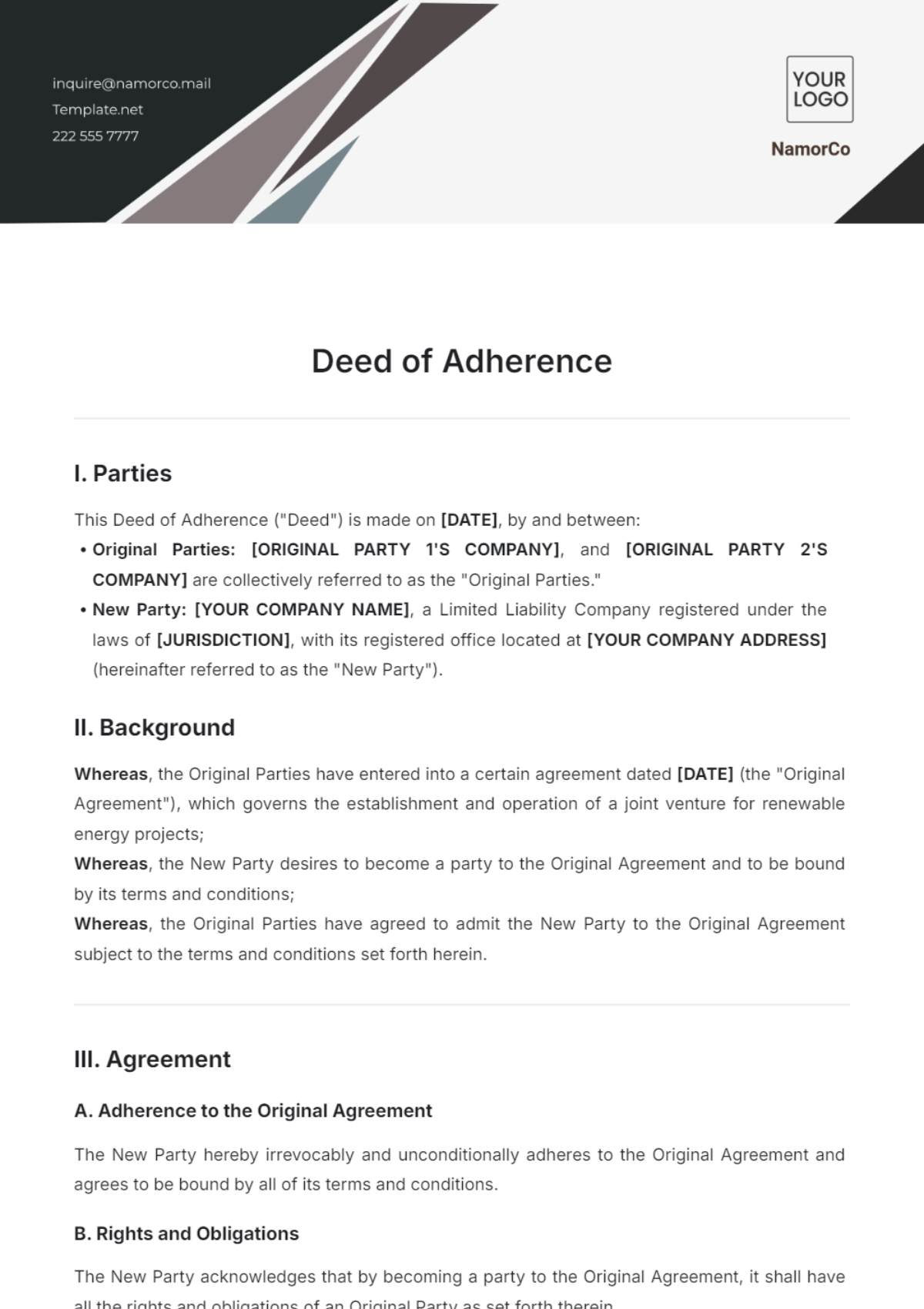
A transfer on fatality deed defines that inherits property after the owner’s death, providing a basic and low-cost method to prevent probate genuine estate.
A transfer on death deed is a legal document that enables property owners to mark beneficiaries who will inherit their realty upon death. The property covered by the act normally prevents the probate court procedure, usually saving beneficiaries time, money, and anxiety throughout the inheritance procedure.
These types of actions are reasonably new, and errors are very easy to make when preparing them-even a simple mistake can result in major economic consequences, so it’s clever to work with a knowledgeable lawyer.
Prior to you consult with your attorney to produce a transfer on fatality deed, allow’s evaluate just how it functions and its possible advantages and disadvantages.
What is a transfer on death action?
A transfer on death (TOD) action is a legal document that permits you to name beneficiaries that instantly inherit your realty when you pass away, without going through probate.Join Us virginia life estate deed website The homeowner (grantor) retains full control during their life time, and the transfer only takes effect upon fatality. Relying on your state, this record might likewise be called a beneficiary deed, revocable transfer on death action, or ‘Woman Bird’ deed.
Secret attributes of a TOD deed include:
- Timing. Takes effect just upon the property owner’s death
- Owner control. The owner retains complete control of the residential property during their life time
- Beneficiary rights. Recipients have no rights to the property while the owner lives
- Revocability. Can be revoked or altered by the proprietor at any time prior to fatality
TOD acts aren’t readily available in every state or appropriate in all scenarios. The particular rules and needs vary by territory. You need to review your neighborhood regulations and consult an estate preparation attorney before proceeding.
How a TOD deed functions
In a TOD action, the current proprietor assigns several recipients that instantly inherit the building upon fatality. Recipients can be people or companies, such as charities.
For couples, the recipient does not obtain the building till the second spouse passes away. The surviving spouse can revoke the TOD deed at any time prior to then.
When marking beneficiaries, maintain these demands in mind.
- Use particular names: Constantly assign recipients by name, never ever simply by partnership.
- Specify possession kind: For several beneficiaries, show whether they take title ‘as joint occupants with rights of survivorship’ or ‘as lessees in common.’
- Call alternates: Designate follower beneficiaries in case the main recipient passes away initially.
Ohio has actually changed the TOD action with a TOD affidavit, however the effect coincides. With a pattern toward allowing TOD deeds, even more states may be added in the future. A few states, such as Michigan, have a comparable however practically various paper, typically called Lady Bird or enhanced life estate deeds.
If your home is not located in a state that allows TOD actions, you might still be able to avoid probate by other methods, such as moving home to a living trust.
Benefits of a TOD action
Right here’s just how TOD acts contrast to various other home transfer techniques:
- Transfer by will certainly: Unlike wills, TOD actions avoid probate entirely, saving money and time.
- Joint possession: While joint ownership additionally stays clear of probate, all owners need to agree on building choices. TOD acts allow you maintain full control till fatality.
- Transfer to a living trust fund. Depends on stay clear of probate without giving up control yet call for even more complicated documentation and greater setup expenses than TOD acts.
Added benefits include:
- Homestead protection. Preserves state possession protection and tax benefits for your primary residence that might be shed with other transfer techniques.
- Tax obligation advantages. Avoids federal gift taxes considering that the transfer isn’t instant. Recipients obtain a stepped-up basis, suggesting capital gains are calculated from the home’s value at death, not original acquisition cost.
Creating a transfer on fatality deed
Preparing a TOD action is not made complex, yet it has to be performed in conformity with state regulation. It’s a good idea to seek advice from an attorney or utilize state-approved types to ensure your TOD act meets all lawful demands and properly serves its designated objective. Right here are the general steps you’ll follow to create one:
Action 1: Prepare the act
Your TOD deed need to follow state regulation and include specific info:
- Event names: Grantor (present owner) and grantee beneficiary
- Building details: Legal summary of the property
- Trademarks and witnesses: Grantor signature with needed witness and notary stipulations
- Formatting: Correct kind size and space for tape-recording stamps
The action has to consist of special language plainly specifying the recipient’s name (as ‘grantee beneficiary’) and that the transfer takes effect upon the owner’s death.
Step 2: Indication and swear
After preparing the action, you have to authorize it in the existence of a notary public. Some states might require added witnesses, so check your jurisdiction’s needs.
Step 3: Record the deed
The TOD action must be videotaped in the area property records where the residential property lies before the proprietor’s death. Take the original act to your county staff’s office, land documents office, or register of deeds, and pay the recording charge.
The staff will certainly stamp the action with the obtained date and formally enter it into area documents. They’ll then return the original to you.
Typical issues with transfer on death actions
While TOD actions are useful estate preparation tools, they come with possible difficulties:
- Restricted availability: TOD deeds aren’t acknowledged in all states, creating obstacles for owners with multi-state possessions
- Joint ownership complications. All co-owners must with one voice agree to the deed, and one owner’s death may interfere with the transfer procedure.
- Recipient predeceases proprietor. Without a called alternative recipient, the residential property might end up in probate.
- Financial obligation responsibility. Recipients inherit the building together with any liens, mortgages, or insurance claims versus it.
- Paperwork problems. Poor records of revocations or alterations can bring about conflicts and unplanned transfers.
- Title issues. Inaccurate execution or existing building claims might need legal intervention to settle.
- Federal government advantages. Acquired residential or commercial property can impact recipients’ eligibility for Medicaid and various other means-based programs.
- Family conflicts. Unequal possession distribution may trigger disputes or lawful difficulties.
Provided these prospective issues, it’s vital to speak with an estate planning attorney prior to creating a TOD act. A lawyer can verify it straightens with your overall estate plan and aid you prevent expensive complications.
Alternatives to transfer on death acts
Think about these options to TOD acts:
- Will. Defines just how your assets are distributed after fatality. Residential or commercial property experiences probate, however you get flexibility in splitting assets and calling guardians for minor kids.
- Living depend on. Transfer home into a trust fund while preserving full control as trustee. Assets pass to recipients without probate upon your fatality.
- Gifting. Transfer building to recipients during your life time. You quit control instantly and might encounter tax obligation implications.
To help you determine the best option for your requirements, take into consideration utilizing our last will and trust fund analysis service. Lawyers from our independent network can direct you with the entire estate preparation procedure. This consists of monetary power of attorney and medical care directives, to assist guarantee your residential or commercial property is distributed according to your desires.
Frequently asked questions
Can a TOD deed be withdrawed?
Yes, you can revoke a TOD deed anytime prior to death by filing a retraction record or a brand-new TOD deed with the region recorder’s office.
How can a transfer on death deed assistance stay clear of probate?
TOD actions immediately transfer residential or commercial property straight to named recipients upon the proprietor’s death, entirely bypassing the taxing and typically costly probate process.
What are the tax ramifications of a TOD action?
TOD deeds don’t affect property taxes during the owner’s life time. Upon transfer, recipients might face capital gains taxes if they offer, plus possible inheritance tax and real estate tax reassessment.